
Disclosure: This post may contain affiliate links or paid partnerships. We may earn compensation if you click a link or make a purchase, at no additional cost to you.
The Anti-Looter Kit is a physical home security kit designed to function without electricity, Wi-Fi, or a professional monitoring contract. It is marketed by Jason Hanson, who describes himself as a former CIA officer and self-reliance educator. The kit is aimed at homeowners, renters, and preparedness-minded individuals who want an offline backup layer of security, particularly for grid-down or emergency scenarios. This review explains what the kit contains, how it works, its genuine limitations, and what to confirm before ordering.
We have not personally tested this kit in the field. This review is based on published product descriptions, independent third-party assessments, and publicly available information. Results and experiences will vary based on your property layout, how the components are installed, and your specific security situation.
What is the Anti-Looter Kit?
The Anti-Looter Kit is a collection of physical security components packaged in a waterproof tactical carrying case. It is designed to provide layered perimeter and interior detection without depending on Wi-Fi, Bluetooth, cellular signals, or the power grid. The kit’s central concept is that conventional smart-home security systems (cameras, video doorbells, monitored alarm panels) become unreliable during power outages, internet disruptions, or civil emergencies — the kit fills that gap with battery-powered and mechanical components.
The product is sold through the official Anti-Looter Kit website and distributed through the affiliate network. It is a physical, shipped product; delivery time and shipping region availability should be confirmed at checkout.
What is included
Based on published product descriptions, the kit contains the following components:
- Motion sensors: battery-powered detectors that trigger an alert when movement is detected in a covered zone.
- Tripwire alarms: perimeter detection tools that trigger an audible alarm when a tripwire is disturbed.
- Door jammer: a mechanical bar that braces a door from the inside, making forced entry more difficult.
- Door and window alarms: magnetic contact sensors that trigger when a door or window is opened.
- Battery-powered floodlight: a portable motion-activated light for exterior deterrence.
- Remote controls: for arming and disarming components where applicable.
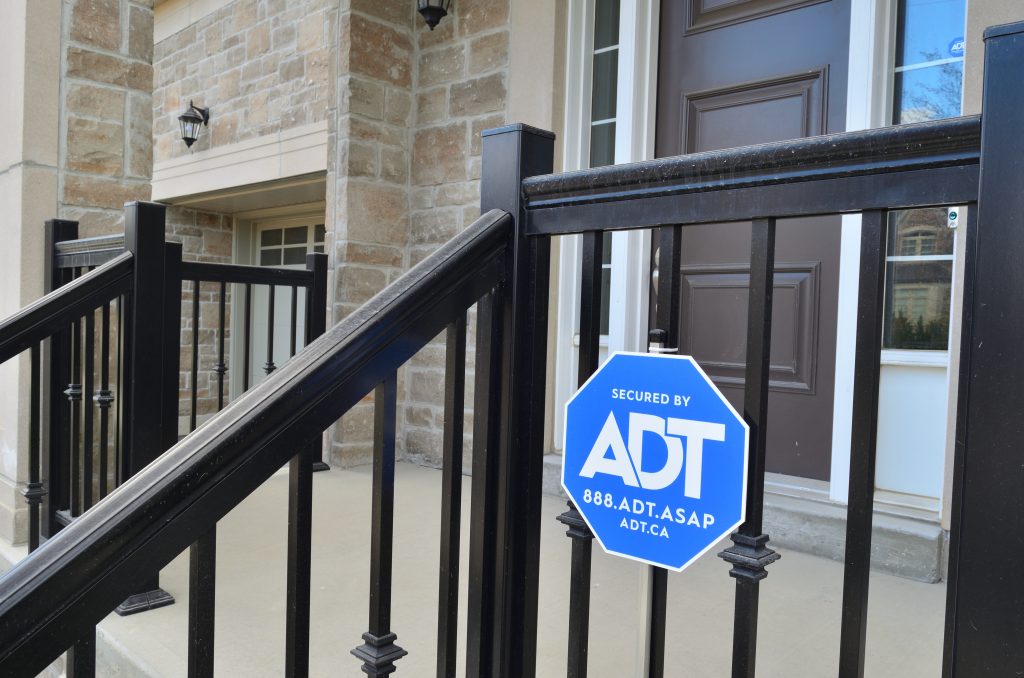
- Warning sign: a visible deterrent to post at entry points.
- Waterproof tactical carrying case: houses all components and doubles as portable storage for deployment at different locations.
Verify the exact current contents on the official product page before ordering, as components and bundles may vary over time.
How it works: the layered approach
The kit’s design philosophy follows a three-stage model: deter, detect, and delay. The visible warning sign and floodlight function as deterrents. The motion sensors, tripwires, and door/window alarms function as detection. The door jammer functions as delay, making forced entry physically harder. None of these components calls emergency services automatically; they are tools to alert occupants and discourage intrusion, not a monitored alarm system.
Because everything runs on batteries or is mechanical, the kit continues to function when the power grid is down. That is its primary differentiator from Wi-Fi-connected smart home security products.
Pros and cons
Pros
- Works without power, Wi-Fi, or a monthly monitoring contract.
- Portable: can be deployed at different locations (home, cabin, hotel room, temporary shelter).
- Layered approach: multiple component types cover different entry scenarios.
- No ongoing subscription cost.
- Lower barrier to entry (~$149) compared to professional installed systems.
- Created by someone with a stated professional security background.
Cons
- Battery-dependent: components require periodic battery replacement; no power backup if batteries die.
- No professional monitoring or direct emergency response. Occupants must take action when alerted.
- Effectiveness depends on correct placement and installation — a poorly placed sensor misses coverage zones.
- Does not replace a full-perimeter professionally installed security system for a large property.
- Physical kit: shipping availability and delivery time need to be confirmed for your region.
- Sales page uses urgency/scarcity language (“limited to first 250 units”) that may not reflect actual inventory. Verify current availability independently.
Who it is for and who should skip it
Reasonable fit: preparedness-minded homeowners or renters who want an offline backup layer of security; people who live in areas with unreliable power or internet; individuals who travel frequently and want portable deterrent tools for hotel rooms or vacation rentals; those building a broader grid-down preparedness plan.
Probably skip if: you need a full professionally monitored alarm system with emergency dispatch; your primary security concern is one that requires 24/7 connected monitoring; or you are looking for a replacement for (rather than supplement to) existing security infrastructure.
Pricing, shipping, and refund policy
The Anti-Looter Kit is listed at approximately $149, described as a promotional price from an original $299. A money-back guarantee is typically offered; confirm the current refund window, return shipping terms, and the process for claiming a refund on the official product page before you order. Confirm shipping regions and estimated delivery time at checkout, particularly if you are outside the continental United States.
The sales page references “limited to first 250 units” and a countdown. This is standard urgency marketing. Do not let countdown timers drive a purchase decision; verify current availability independently and take the time you need to evaluate whether this kit fits your situation.
What to verify before you buy
- The current price and whether any promotional terms have changed.
- Shipping availability to your region and estimated delivery time.
- The exact current contents of the kit (component list may be updated over time).
- The refund policy: window, process, and whether return shipping is covered.
- Battery types required for each component and approximate replacement frequency.
- Local regulations on security signage and audio alarm devices where you plan to deploy them.
Our take
The Anti-Looter Kit addresses a genuine gap: offline, battery-powered security layers that function when the grid and internet do not. For preparedness-minded readers who already have a broader home-security plan, it is a useful supplementary tool. For someone replacing a monitored security system with this kit alone, expectations should be calibrated — it deters and detects; it does not dispatch emergency services. At ~$149 with a money-back guarantee, the financial risk to evaluate it is moderate. Verify current contents, shipping, and refund terms directly on the product page before ordering.
See the Anti-Looter Kit on the official offer page
FAQ
Does the Anti-Looter Kit connect to my phone or Wi-Fi?
No. The kit is designed to function without Wi-Fi, Bluetooth, or internet connectivity. Components are battery-powered and operate independently. This is the product’s primary design goal: security that functions during power or internet outages.
Is it a replacement for a professionally monitored alarm system?
No. The kit does not connect to a monitoring service or call emergency services automatically. It is a supplementary deterrence and detection layer, not a replacement for a full professionally installed and monitored system. Think of it as a preparedness tool rather than a primary security infrastructure.
What is the refund policy?
A money-back guarantee is typically offered; the current window and return process should be confirmed on the official product page before you order. Physical product returns may require return shipping; verify whether return shipping costs are covered.
Who is Jason Hanson?
Jason Hanson describes himself as a former CIA officer who now teaches self-reliance and personal security skills. He has appeared on national television programs discussing preparedness topics and has published books on personal security. We are not in a position to independently verify his specific credentials; review his public background independently if that information is important to your purchase decision.
Can I use it in a rental property or hotel room?
The portable design and tactical case are marketed for use in multiple locations including temporary accommodations. Confirm local regulations on audio alarms and security devices for the specific location you plan to use it. Some hotel and rental agreements have restrictions on security devices and modifications.
Related reading
- Building a broader preparedness plan? See our home preparedness guide: self-reliance, food storage, and home resilience.
- Exploring other business and preparedness products? See our business and online income starter guide.