
Disclosure: This post may contain affiliate links or paid partnerships. We may earn compensation if you click a link or make a purchase, at no additional cost to you.
For almost all of human history, people kept food edible through winters and long journeys with no electricity at all. Those methods still work, and they are worth learning whether you want to cut waste, save money, or stay fed when the power goes out. This guide covers seven time-tested ways to preserve food without refrigeration, what each is best for, and the safety basics that keep preservation from going wrong.
Why this matters
A refrigerator is a single point of failure. Storms, outages, and supply disruptions all expose how much of our food depends on a working cold chain. Learning to preserve food without it does three things: it builds a buffer for emergencies, it lets you stock up when food is cheap and in season, and it reconnects you with skills that turn a glut of tomatoes or a sale on meat into months of meals. None of this requires a homestead; several methods work in an apartment kitchen.
1. Dehydration
Removing moisture stops the microbes that cause spoilage. Dried fruit, vegetables, and herbs become lightweight and shelf-stable for months. You can use a dedicated dehydrator, a low oven, or simply warm, dry air for hardy herbs. Store thoroughly dried food in airtight jars away from light, and check occasionally for any moisture or mold.
2. Fermentation
Fermentation uses beneficial bacteria to preserve food while adding tang and probiotics. Sauerkraut, kimchi, and fermented pickles need little more than vegetables, salt, and time. The key is keeping the food submerged under its brine and at a stable, cool room temperature. Done right, ferments keep for months and are some of the most nutritious preserved foods you can make.
3. Curing and salting
Salt draws out moisture and creates an environment where spoilage organisms struggle. Salt curing has preserved meat and fish for millennia, from salt cod to country ham. This method rewards precision: correct salt ratios, clean handling, and proper temperature matter, so it is worth following a trusted, detailed recipe rather than improvising.
4. Fat sealing (confit and potting)
Cooking food and then sealing it under a layer of fat blocks air and slows spoilage. Traditional potted meats and confit rely on this, and pemmican (dried meat bound with rendered fat) is the preparedness classic. Fat sealing works well combined with cool storage, and it is an efficient, calorie-dense way to keep cooked protein.
5. Root cellaring
Some foods just need the right cool, humid, dark environment. Potatoes, carrots, beets, onions, apples, and winter squash can last for months in a basement corner, an insulated bin, or a buried container. No power required; the trick is matching each crop’s preferred temperature and humidity and keeping good airflow.
6. Canning
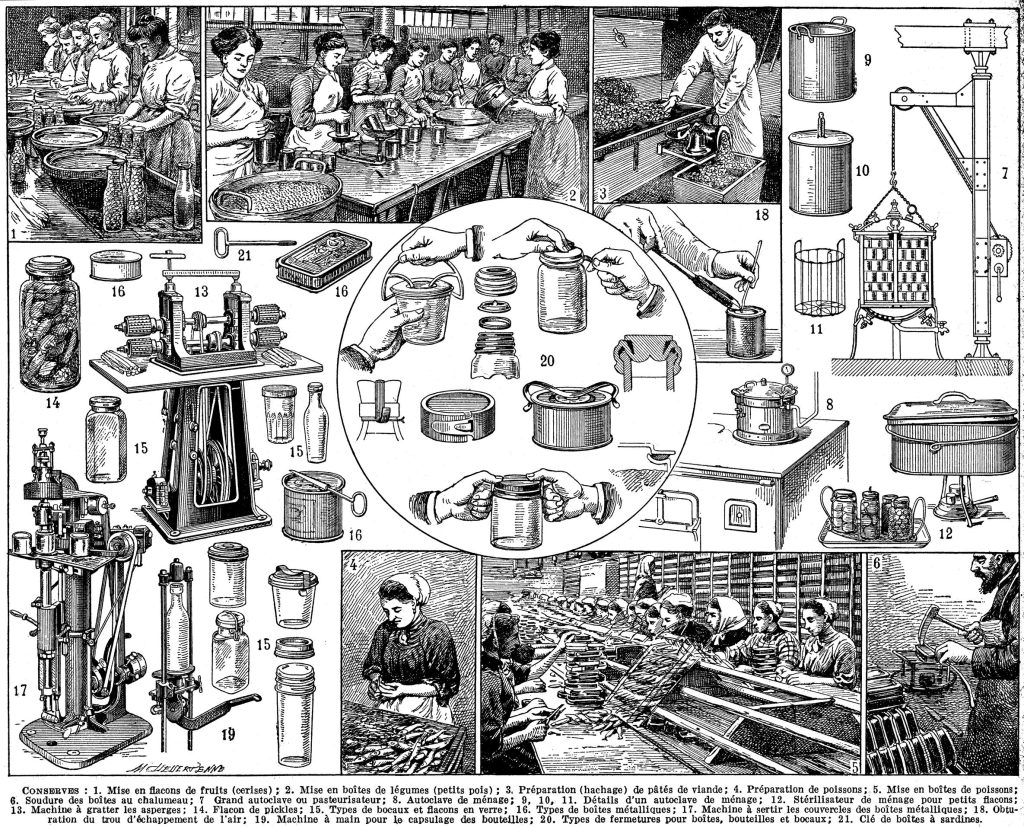
Canning seals food in jars and heats it to destroy spoilage organisms, creating a vacuum that keeps it shelf-stable for a year or more. High-acid foods (fruits, pickles, jams) can be water-bath canned; low-acid foods (vegetables, meats) require a pressure canner to be safe. This is the method where following tested, current guidelines is non-negotiable.
7. Sugar preserving
High sugar concentrations bind water and inhibit spoilage, which is how jams, jellies, candied fruit, and fruit preserves last. It is approachable and beginner-friendly, and it pairs naturally with water-bath canning for longer storage.
Safety first: the non-negotiables
Preserved food is only as safe as the method. A few rules protect you:
- Follow current, tested recipes from authoritative food-safety sources, especially for canning and curing.
- Use a pressure canner for low-acid foods; water-bath canning is not safe for them.
- Keep everything scrupulously clean, and label every jar with its contents and date.
- When in doubt, throw it out. Bulging lids, off smells, or mold mean discard, never taste.
Treat “lasts for years” claims as best-case scenarios that assume ideal storage. Most home preserves are best used within their tested window.
Go deeper
If you want one organized reference that collects these methods with step-by-step instructions and historical context, The Lost SuperFoods is a solid, budget-friendly starting point. We cover what it includes, where the marketing oversells, and what to verify in our Lost SuperFoods review.
Keep going
Compare the best guides in our roundup of the best survival and preparedness books of 2026, or see the full picture in our natural health and home preparedness guide.