
Disclosure: This post may contain affiliate links or paid partnerships. We may earn compensation if you click a link or make a purchase, at no additional cost to you.
A well-stocked home medical kit turns small emergencies into minor inconveniences and buys you time in bigger ones. Most households make do with a half-empty box of assorted bandages, which is not a plan. This guide is a practical checklist for building a genuine home medical kit, plus the part most lists skip: the skills to use it and the judgment to know when a situation is beyond home care. It is informational only and is not medical advice.
Start with the basics
Before anything advanced, cover the everyday injuries and illnesses a household actually faces. A solid foundation kit includes:
- Wound care: assorted adhesive bandages, sterile gauze pads, medical tape, and antiseptic wipes.
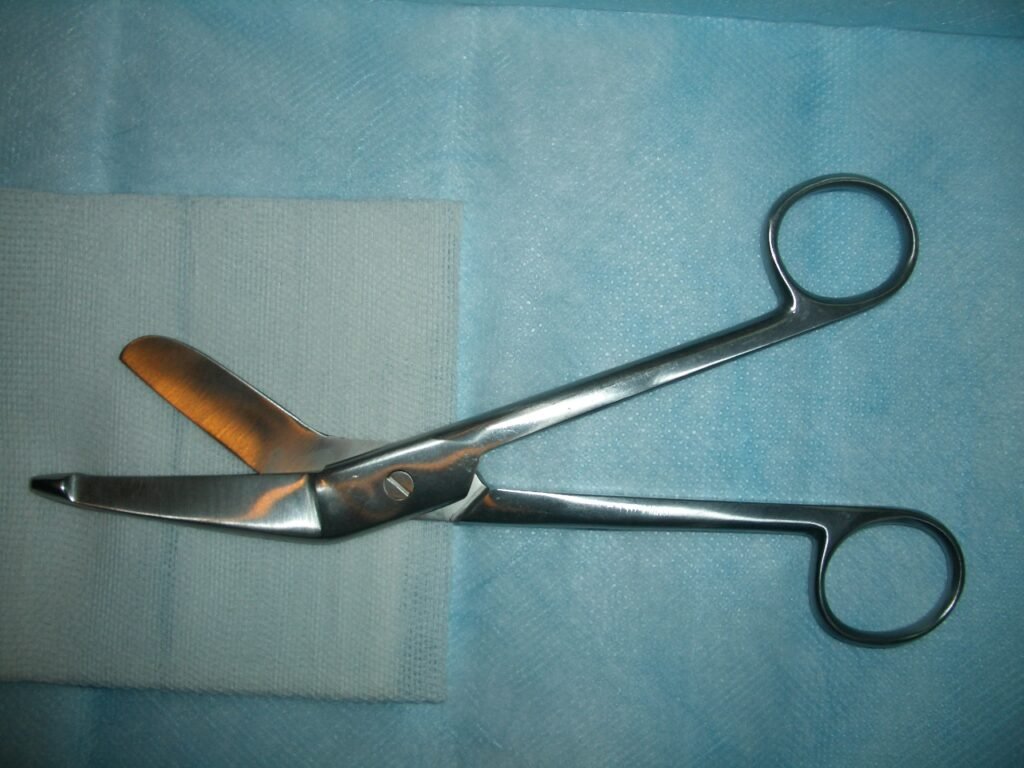
- Tools: tweezers, scissors, a digital thermometer, and disposable gloves.
- Support: an elastic bandage for sprains, instant cold packs, and a triangular bandage or sling.
- Burn and blister care: sterile non-stick dressings and burn gel.
- Reference: a simple first-aid manual and a written list of emergency numbers.
Keep it all in one labeled, water-resistant container that everyone in the household can find.
Medications: stock responsibly
Many households keep common over-the-counter items on hand, such as pain and fever relievers, antihistamines, and rehydration supplies. The responsible approach is simple: only stock what your household actually uses and understands, keep everything in its original labeled packaging, follow the directions on the label, check expiry dates regularly, and store medicines safely away from children. For anyone with ongoing prescriptions, talk with your pharmacist or doctor about how to manage a sensible supply. This article does not recommend dosages or specific treatments; the labels and your healthcare provider do that.
Skills versus supplies
Supplies without skills give false confidence. A tourniquet you have never practiced with is not much help in a crisis. Prioritize learning over gear:
- Take a hands-on first-aid and CPR course from a recognized provider such as the Red Cross. Nothing in a book replaces practicing on a manikin with an instructor.
- Learn to recognize the signs of the emergencies that need immediate professional help, such as heart attack, stroke, and severe allergic reaction.
- Practice the basics, such as controlling bleeding with direct pressure, until they are second nature.
The goal of home preparedness is not to play doctor. It is to stabilize, to help with minor problems, and to bridge the gap until professional care is available.
When self-care ends and you need a professional
This is the most important section. A home kit is for minor injuries and for buying time, not for managing serious medical conditions. Call your local emergency number or seek professional care immediately for things like chest pain, difficulty breathing, signs of stroke, severe or uncontrolled bleeding, head injuries, severe burns, or any situation that frightens you. When in doubt, get help. No amount of preparation replaces a trained professional, and recognizing your limits is itself a survival skill.
Learn the techniques
If you want to go deeper on managing medical situations when help is delayed, especially in remote areas or extended emergencies, a dedicated reference is worth having. Home Doctor is written by physicians with real crisis experience and focuses on exactly that scenario. We cover what it includes, its limits, and what to verify in our Home Doctor review. Remember that any such book is a supplement to hands-on training, never a replacement for it.
Keep going
Round out your preparedness with our roundup of the best survival and preparedness books of 2026, or start with the bigger picture in our natural health and home preparedness guide.