
Disclosure: This post may contain affiliate links or paid partnerships. We may earn compensation if you click a link or make a purchase, at no additional cost to you.
The dream of stepping off the treadmill (growing your own food, collecting your own water, making your own power) has obvious pull when you are stuck in traffic or staring at a utility bill. The Self-Sufficient Backyard sells that dream, but unlike a lot of the genre, it is built on four decades of people actually living it. That real-world foundation is the reason it is worth a serious look, and also the lens through which its limits make sense.
This review covers what the book actually contains, who is behind it, where the value is strongest, where expectations need tempering, and what to confirm before buying. We have not built every project in it; this is an analysis of the product, its authors, and how it stacks up against the alternatives.
What is The Self-Sufficient Backyard?
The Self-Sufficient Backyard is a roughly 265-page illustrated homesteading guide (commonly cited with 350+ color photos and diagrams) covering small-acreage self-sufficiency end to end. It is written by Ron and Johanna Melchiore, a couple who describe around 40 years of off-grid living across Maine, northern Saskatchewan, and Nova Scotia. That matters: these are named, documented authors with a long, verifiable track record, and the book has been sold through outlets like Mother Earth News and Amazon and carries genuine reader reviews, rare credibility signals for a product in this category sold via a typical online retail funnel.
The core idea is cohesion. Rather than a pile of disconnected tips, it presents food, water, power, and preservation as one connected system for a normal-sized property. It is a practical reference and project book, not a survival-fantasy pitch and not a get-rich scheme.
What’s actually inside
The book spans the major pillars of self-reliance, typically with dozens of hands-on DIY projects (often cited as 65–75+) and a large set of money-saving tips. Coverage generally includes:
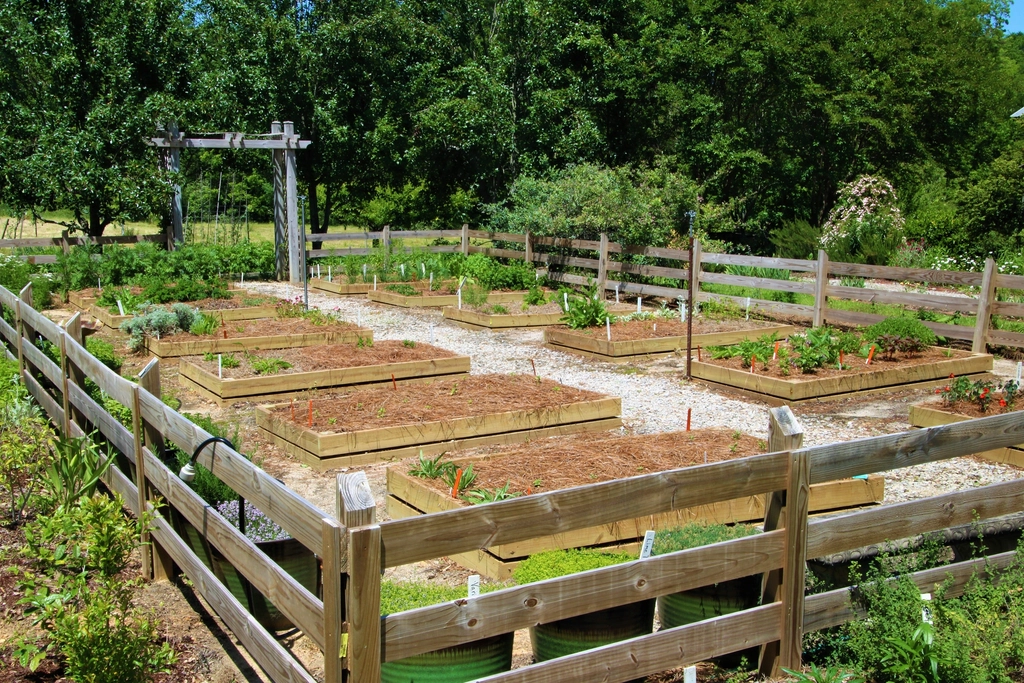
- Food production – “easy on the back” gardening, growing vegetables, fruit, and herbs on a quarter-acre-style layout.
- Food preservation – long-term storage so harvests last year-round.
- Water – rainwater collection and off-grid water solutions.
- Energy – a low-cost hybrid solar/electric system, with specifics on batteries, controllers, and setup.
- Livestock – small-scale chickens and other backyard animals.
- Soil and layout – composting, soil improvement, and whole-backyard planning.
- A medicinal corner – a handful of plants the authors rely on, framed as traditional use.
The offer is usually bundled with bonus downloads. The recurring praise from readers is that it shows entire systems rather than isolated hacks, which is what makes it more than the sum of its chapters.
Benefits, with the reasoning behind them
Authors with real, lived experience. The Melchiores are not repackaging internet research. They have lived off-grid for decades, which shows in practical detail (which batteries, which layouts) you rarely get from theory-only guides.
A connected system, not scattered tips. Because food, water, and power are presented together, you get a coherent plan you can phase in over time rather than a grab-bag you have to assemble yourself.
Genuine, transferable value. The skills (gardening, preserving, basic off-grid power, water capture) save money and build resilience, and they carry over to almost any self-reliance goal.
Low financial risk. At a modest price with a money-back guarantee, and with editorial credibility from outlets that have carried it, the downside of trying it is small relative to the scope of material.
Honest limitations and downsides
Results depend heavily on you. Space, climate, budget, and effort determine what you can actually pull off. Outcomes vary widely, and the book cannot change your growing zone or your free time.
Some projects are real commitments. Off-grid power, livestock, and larger builds take meaningful time, money, and skill; this is a multi-season journey, not a weekend fix.
Experienced homesteaders may know much of it. If you already garden, preserve, and run solar, parts will feel familiar. The book shines brightest for beginners and improvers.
Preparedness marketing framing. The funnel leans on self-reliance and “be ready” themes; judge the book on its practical content rather than the dramatic packaging, and expect the usual checkout upsells.
Who it’s for and who should skip it
Good fit: beginner and intermediate homesteaders who want one cohesive system; suburban and small-acreage owners aiming to grow food, preserve harvests, and cut utility costs; and readers who value guidance from people with documented, hands-on experience.
Probably skip if: you have no outdoor space; you want instant results without ongoing effort; or you are an experienced homesteader who likely already knows much of the material.
Pricing and refund policy
The guide is commonly offered around $37 for the digital version, with a physical copy often near $50 plus a shipping fee, and is typically backed by a 60-day money-back guarantee. Pricing, format options, bonuses, and shipping vary by seller and promotion, so confirm the current figures and refund terms on the official page before paying.
How it compares to the alternatives
Single-topic books (a dedicated gardening or solar guide) go deeper on one subject but lack the connected, whole-property system here. Free online resources and YouTube cover most individual skills but scattered and of uneven quality, so this book’s value is one organized reference from consistent, experienced authors. In-person homesteading courses or consultants offer tailored guidance but cost far more; the book is the low-cost, self-paced on-ramp.
What to verify before you buy
- Current price, the format you want (digital vs. physical), and any shipping fee.
- The live refund window and how to request a refund.
- That your space and climate suit the projects you care most about (e.g., solar, livestock).
- Which bonuses are included today and which upsells, if any, you actually want.
Our take
The Self-Sufficient Backyard is one of the more credible products in a niche full of hype, mainly because the Melchiores have genuinely lived the lifestyle they teach and present it as a connected system rather than disconnected tips. For a beginner or improving homesteader with some outdoor space, it is a strong, low-risk reference that can pay for itself in saved grocery and utility costs over a few seasons. Experienced homesteaders and anyone without growing space will get less from it. Treat the grow/save/off-grid promises as dependent on your conditions and effort, and verify the current contents, format, and refund terms on the vendor page before ordering.
See The Self-Sufficient Backyard on the official offer page
FAQ
Is The Self-Sufficient Backyard legitimate?
Yes. It is a real product from named authors with a documented off-grid background, sold through a standard funnel with a stated money-back guarantee, and it has been carried by reputable outlets with genuine reader reviews. Whether it fits you depends on your space, experience, and expectations.
Do I need a big property or special skills?
No. Much of the book targets small, suburban-sized lots and beginners. That said, the more ambitious projects (off-grid power, livestock) reward more space, budget, and effort.
Is it a digital or physical book?
Both are typically available, often at different prices, with shipping on physical copies. Confirm the current options at checkout.
How do I get a refund?
Refunds are handled through the vendor’s standard process listed on your order confirmation. Confirm the live refund window on the checkout page before you purchase.
Related reading
- Compare it with other titles in the best survival and preparedness books of 2026.
- See also our reviews of The Lost SuperFoods and Home Doctor.
- Zoom out with our natural health and home preparedness guide.